Coverage Explained · 6 min read
Pontoon vs. Deck Boat vs. Runabout: Does Insurance Really Differ?
Three common lake-boat types, three different risk profiles. Here's how insurance actually treats each one differently — and where they overlap.
July 25, 2026
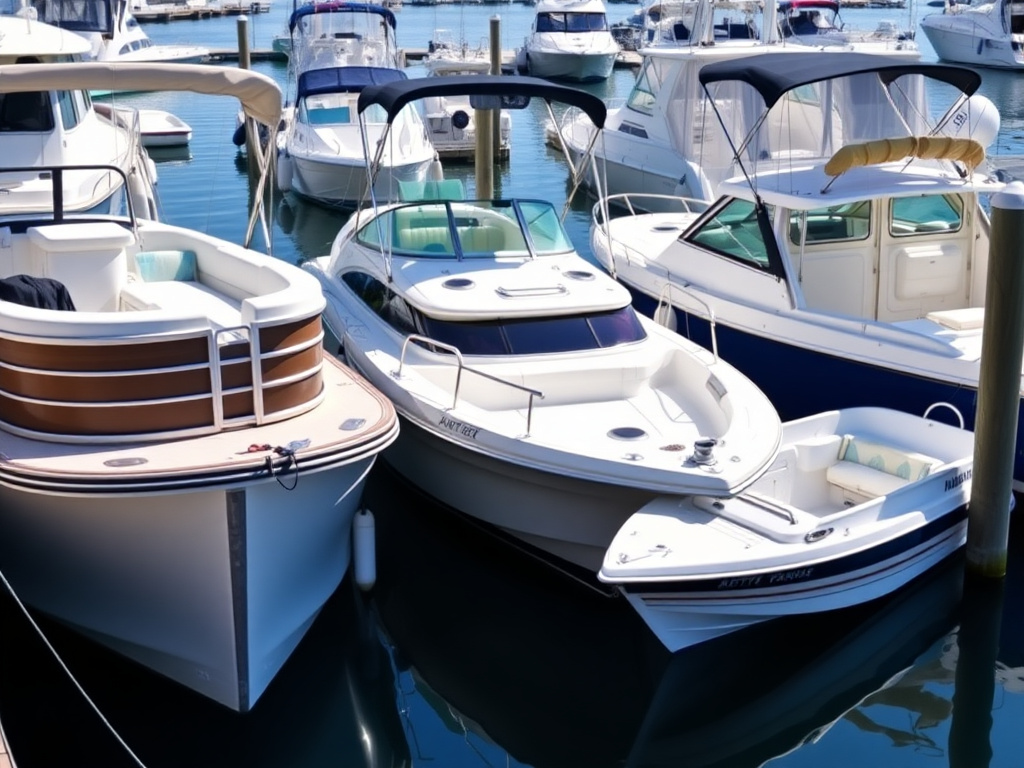
Pontoons, deck boats, and runabouts all show up at the same boat ramp on a summer weekend, and it's easy to assume they all get insured the same way. They don't. Each has a different hull design, passenger capacity, speed profile, and typical use pattern — and all three of those factors shape how a policy is structured and priced. Here's how they actually compare.
Pontoon boats
Multi-tube (usually aluminum) flotation instead of a single hull, wide open deck layout, higher typical passenger capacity relative to length, and generally lower top speeds than performance boats. Insurance for pontoons is built around this profile: tube-specific physical damage repair categories, guest/passenger liability sized to realistic higher occupancy, and — because pontoon ownership skews heavily toward seasonal inland-lake use — seasonal lay-up coverage as a central feature rather than an afterthought.
Deck boats
A deck boat blends a wider, pontoon-like open bow and deck layout with a traditional single V-hull below the waterline. That hybrid design means a hybrid insurance profile too: physical damage coverage is closer to a standard single-hull structure than a pontoon's tube-based coverage, but passenger capacity and deck-related liability considerations often run closer to pontoon territory than to a narrower runabout.
Runabouts
Typically a single fiberglass V-hull, narrower beam, higher top-speed capability, and lower passenger capacity than a comparable-length pontoon or deck boat. Insurance for runabouts, especially performance-oriented models, tends to weight speed-related liability and single-hull physical damage more heavily, with passenger/guest liability playing a smaller relative role simply because fewer people are typically aboard.
The throughline: hull design drives physical damage structure, passenger capacity drives guest liability weighting, and typical speed drives liability risk assumptions. All three boat types get priced around their actual real-world risk profile, not a single shared "boat" template.
Where the three actually overlap
All three share the same core coverage categories — liability, physical damage, and (for most owners) guest/passenger protection — and all three can benefit from seasonal lay-up coverage if they see a real off-season, navigational-limit structuring if they're used on a specific lake or set of lakes, and on-water towing assistance for mechanical breakdowns. The categories are the same; the weighting and the specific risk assumptions inside each category are what differ.
- Pontoon: tube-based physical damage, higher passenger-liability weighting, lay-up-first structuring
- Deck boat: hybrid single-hull physical damage, moderate-to-high passenger-liability weighting
- Runabout: single-hull physical damage, speed-weighted liability, lower typical passenger-liability weighting
Why this matters when you're shopping coverage
If an agent or carrier quotes your pontoon using a generic "boat" template without asking about tube construction, typical passenger load, or your actual seasonal use pattern, you may be getting coverage that doesn't quite fit — either overpriced for risks your pontoon doesn't really carry, or under-structured in ways that create a gap. The right question to ask any quote is simple: does this policy actually reflect how my specific boat is built and how I actually use it, or is it a generic boat policy with my boat type typed into a form field?
Getting a policy built around your specific boat
Whether you're on a pontoon, a deck boat, or a runabout, the right policy starts with your specific boat's construction, capacity, and how you actually use it — not a one-size-fits-all boat category. If you're comparing a generic boat insurance quote against pontoon-specific coverage, ask us to walk through exactly where the two differ for your boat.
Quick Answers
Related Questions
Is pontoon insurance more expensive than runabout insurance?
+
Not automatically — it depends on the specific boats being compared. Pontoons often carry higher passenger-liability weighting but lower speed-related liability risk than a comparable-value runabout; the two factors can offset each other depending on the boats and how they're used.
Does a deck boat get insured like a pontoon or like a runabout?
+
Somewhere in between — deck boats have a single-hull physical damage profile closer to a runabout, but passenger capacity and deck-liability considerations that often run closer to a pontoon's profile.
Keep Reading
More Guides


Get pontoon coverage built around how you boat
Tell us about your boat and your lake and we'll come back with a coverage combination priced to your real usage — not a flattened generic boat quote.