Off-Season Savings
Seasonal & Lay-Up Coverage for Pontoon Boats
Automatically reduces your coverage (and premium) while the boat is winterized and stored — the single biggest cost lever for seasonal pontoon owners.
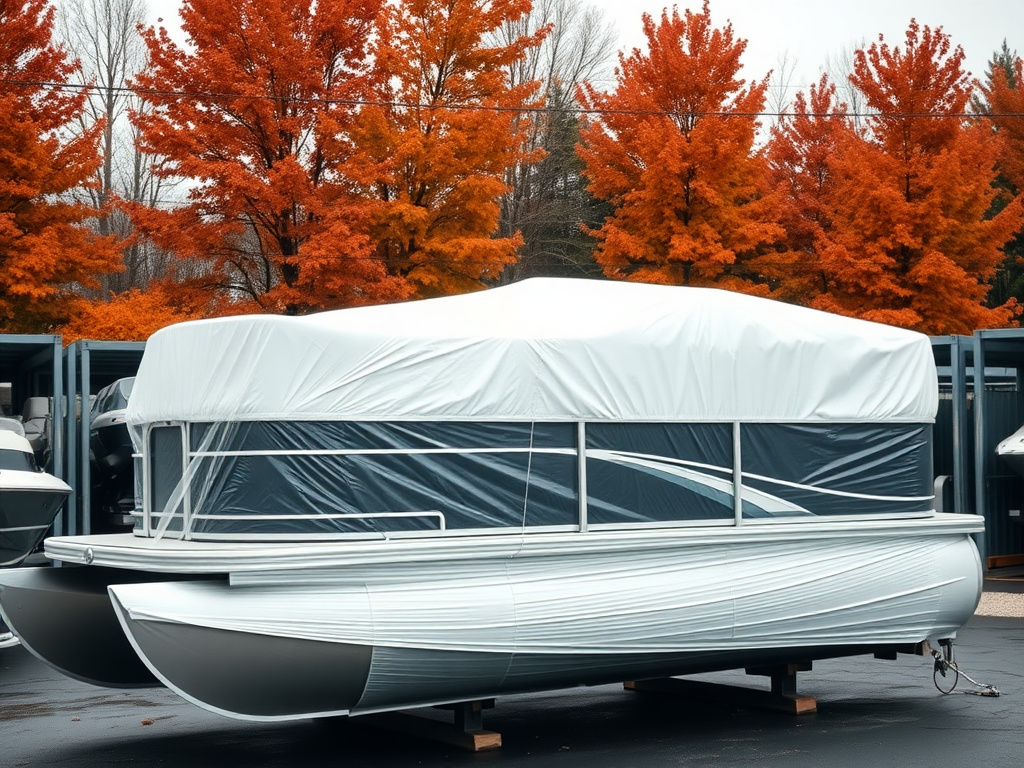
Most pontoon owners don't use their boat year-round. In northern and midwest lake markets especially, a pontoon might see 4 to 7 months of actual water time and spend the rest of the year winterized and stored — shrink-wrapped in a yard, in a heated or unheated storage building, or on a trailer in the driveway. Seasonal lay-up coverage is built exactly for this pattern: it automatically reduces (or in some structures, suspends) the operational liability and towing portions of your coverage during a defined lay-up period, while keeping physical damage protection like fire, theft, and weather in place.
This is the single biggest lever pontoon owners have to control their annual premium without giving up meaningful protection, because you simply aren't operating the boat — and therefore aren't generating liability exposure — during the lay-up window.
What's covered
- ✓Continued fire, theft, and vandalism protection while stored
- ✓Continued weather/storm damage protection during lay-up
- ✓Automatic reduction of on-water liability premium during the defined lay-up period
- ✓A defined in-season date range matched to your actual lake's boating season
- ✓Coverage for the boat while shrink-wrapped, in storage, or on a trailer
- ✓A straightforward reinstatement of full operational coverage each spring
Who needs this
- ✓Northern and midwest lake-market owners with a clear boating season
- ✓Lake-house / seasonal-residence owners who store the boat off-season
- ✓Owners who winterize and shrink-wrap or store the boat November through April
- ✓Anyone whose boat sits unused more months of the year than it's on the water
- ✓Owners looking to lower total annual premium without dropping coverage entirely
How lay-up coverage actually works
You set two dates on your policy: your in-season start date (when you'll actually be operating the boat) and your lay-up start date (when the boat is winterized and put into storage). During the in-season window, your policy carries full coverage — liability, physical damage, towing, everything. During the lay-up window, the operational liability and towing-sport portions of coverage step down or pause, while physical damage protection against fire, theft, vandalism, and weather stays in force, because those risks don't go away just because the boat isn't in the water.
The practical effect is that you're not paying full-season liability premium for the seven months your pontoon is shrink-wrapped in a storage yard, while still protecting the boat's actual value against the things that can happen to it in storage.
- In-season dates set to match your real boating season, not a generic calendar
- Physical damage (fire, theft, weather) stays active during lay-up
- Operational liability/towing coverage steps down during lay-up
- Dates can be adjusted year to year as your season shifts
Setting your lay-up dates correctly
The value of lay-up coverage depends entirely on setting realistic dates for your specific lake and region. A northern lake with a hard freeze might realistically run a mid-May to mid-October season; a milder-climate lake might run much longer. Setting your in-season window too wide erases the savings; setting it too narrow risks a coverage gap if you launch the boat outside your stated dates. We size the dates to how you actually use the lake, not a one-size-fits-all calendar.
What lay-up coverage does not eliminate
Lay-up reduces or pauses the on-water liability and towing exposure — it does not eliminate coverage entirely, and it's not the same as canceling the policy for the off-season. Canceling and rewriting a new policy each spring risks a lapse in physical-damage protection during storage (exactly when weather and theft risk to a stored boat is real) and can affect continuous-coverage pricing at your next renewal. Lay-up coverage is structured to avoid that gap while still delivering the real premium savings of not paying full liability rates on a boat that isn't in the water.
What Drives The Cost
What Affects Seasonal & Lay-Up Coverage Pricing
| Length of your in-season window | A realistic, well-matched season length is the core lever on total annual savings. |
|---|---|
| Storage type during lay-up | Indoor/heated storage typically rates better than outdoor storage for theft and weather. |
| Region & climate | Northern lake markets with longer off-seasons see the largest lay-up savings. |
| Boat value | Higher-value boats see a larger dollar savings from the liability step-down, proportionally. |
| Prior claims during storage | A clean storage-period claims history supports better lay-up terms over time. |
Common Questions
Seasonal & Lay-Up Coverage FAQ
Does lay-up coverage mean I have zero coverage while the boat is stored?
+
No — physical damage protection against fire, theft, vandalism, and weather stays in force during lay-up. What steps down is the operational liability and towing-sport coverage you don't need while the boat isn't in the water.
Can I change my lay-up dates if my season shifts?
+
Yes — dates can be adjusted year to year, and if you need to launch outside your stated in-season window for an unusual early or late outing, call us first so we can adjust coverage rather than risk a gap.
Is lay-up coverage the same as canceling my policy for winter?
+
No, and that's an important distinction. Canceling risks a gap in physical-damage protection during storage and can affect your pricing at next renewal. Lay-up coverage keeps continuous protection in force while still delivering real premium savings during the off-season.
How much can lay-up coverage actually save me?
+
It varies by boat value and season length, but for an owner with a true 5-7 month off-season, the savings on the liability portion of premium are meaningful — often enough to make lay-up coverage the single biggest lever on total annual cost. We'll run the actual numbers for your boat and dates.
Related Coverage
You Might Also Need
Liability Coverage
The foundation of every pontoon policy — bodily injury and property damage liability arising from operating your boat.
Learn more →Physical Damage Coverage
Repairs or replaces your pontoon after collision, weather, fire, theft, or vandalism — agreed value or actual cash value, your choice.
Learn more →Lake-Type & Navigation Limits
Inland-lake-only, multi-lake, and coastal-connected pontoon use are underwritten differently — navigation limits define where your policy actually protects you.
Learn more →Get pontoon coverage built around how you boat
Tell us about your boat and your lake and we'll come back with a coverage combination priced to your real usage — not a flattened generic boat quote.