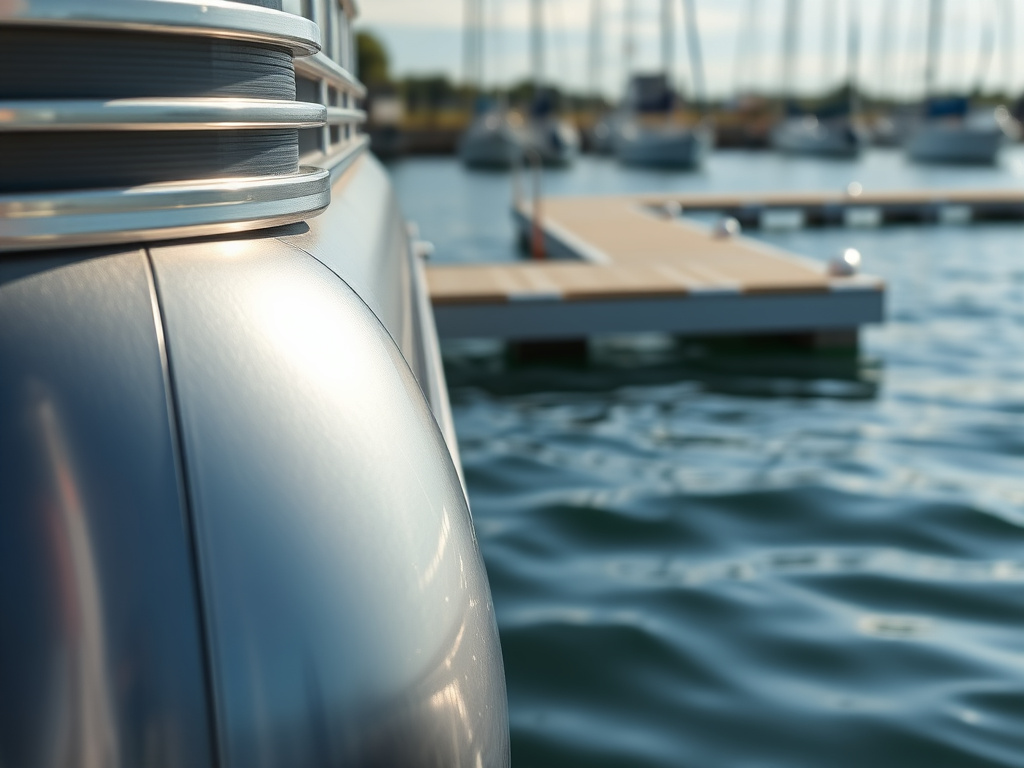
Protect Your Boat
Physical Damage Coverage for Pontoon & Deck Boats
Repairs or replaces your pontoon after collision, weather, fire, theft, or vandalism — agreed value or actual cash value, your choice.
Physical damage coverage is what pays to repair or replace your pontoon itself — the aluminum tubes, deck, furniture, canopy or Bimini, engine, and electronics — after a covered loss like collision, grounding, severe weather, fire, theft, or vandalism. Liability protects you from lawsuits; physical damage protects the actual dollar value of the boat you own.
Pontoons have a few physical-damage quirks worth understanding up front: the tubes (the aluminum floats that keep the boat afloat) are a distinct and sometimes expensive repair category after a grounding or collision, and the furniture, flooring, and canopy on a pontoon are often higher-value and more exposed to sun/weather damage than on a comparable runabout.
What's covered
- ✓Collision with another vessel, a dock, or a submerged object
- ✓Grounding and hull/tube puncture or denting
- ✓Fire, lightning, and explosion
- ✓Theft of the boat, motor, or permanently attached equipment
- ✓Vandalism and malicious mischief
- ✓Wind, hail, and severe-weather damage while in or out of the water
Who needs this
- ✓Any pontoon owner who wants to protect the boat's own value, not just their liability
- ✓Owners financing their pontoon (lenders typically require it)
- ✓Owners in hail-prone or severe-weather regions
- ✓Boats stored outdoors or at exposed marina slips
- ✓Owners of newer or higher-value tri-toon and luxury pontoon models
Agreed value vs. actual cash value — the decision that matters most
Physical damage coverage is written on one of two valuation bases, and the difference matters enormously at claim time. Agreed value coverage pays a pre-agreed dollar amount (set when the policy is written) for a total loss, with no depreciation deduction — you know exactly what you'll receive before anything ever happens. Actual cash value (ACV) coverage pays the boat's depreciated market value at the time of loss, which can be meaningfully less than what you paid, especially on a boat more than a few years old.
For most pontoon owners, especially on newer or higher-value boats, agreed value is worth the modest premium difference — it removes the depreciation argument from a total-loss claim entirely. Older or lower-value pontoons sometimes make more sense on ACV, where the premium savings outweighs the smaller total-loss payout gap.
- Agreed value — fixed payout, no depreciation argument at claim time
- Actual cash value — depreciated payout, typically lower premium
- Newer/higher-value pontoons usually favor agreed value
- We'll model both so you can see the real dollar difference
Tube, deck, and canopy damage — the pontoon-specific repair categories
A pontoon's aluminum tubes are its flotation and its hull in one — a puncture or serious dent from a grounding or collision is a structural repair, not cosmetic, and can run into the thousands depending on severity and tube material (aluminum vs. the newer composite/polymer tubes on some models). Deck flooring, furniture, and canopy/Bimini tops also see more sun and weather exposure on a pontoon's open layout than on many other boat types, and are covered as part of the physical damage policy.
Deductibles and how they're structured
Physical damage deductibles on pontoon policies typically run from $250 to $1,000 for most claims, with the option to select a higher deductible to lower premium. Some carriers apply a percentage deductible (often 1-2% of insured value) specifically for named-storm or hurricane losses in coastal-adjacent markets — this is less common for pure inland-lake pontoon use but worth confirming based on where you store the boat.
What Drives The Cost
What Affects Physical Damage Coverage Pricing
| Agreed value vs. ACV | Valuation basis is the single biggest driver of both premium and claim payout. |
|---|---|
| Boat age & value | Newer, higher-value pontoons cost more to insure but also have more to protect. |
| Deductible selected | Higher deductibles lower premium; lower deductibles reduce out-of-pocket at claim time. |
| Storage location | Covered/indoor storage vs. outdoor slip or trailer storage affects weather/theft rating. |
| Engine horsepower | Higher-horsepower engines add replacement value and typically raise premium modestly. |
| Claims & loss history | Prior physical-damage claims are a meaningful rating factor. |
Common Questions
Physical Damage Coverage FAQ
Should I choose agreed value or actual cash value coverage?
+
For most newer or higher-value pontoons, agreed value is worth the modest added premium because it removes depreciation from a total-loss payout entirely. Older, lower-value boats sometimes come out ahead on actual cash value's lower premium. We'll run both numbers for your specific boat.
Does physical damage coverage include the tubes/pontoons themselves?
+
Yes — the aluminum or composite tubes are structural to the boat and are covered under physical damage for collision, grounding, puncture, and other covered perils, just like the hull of any other boat type.
Is my pontoon covered while it's out of the water on a trailer or lift?
+
Yes, physical damage coverage generally follows the boat whether it's in the water, on a trailer, or on a lift, subject to your policy's terms — this is different from liability coverage, which is specific to on-water operation.
Does physical damage cover a stolen outboard motor?
+
Yes — theft of the motor, and of permanently attached equipment and electronics, is a covered peril under physical damage coverage, subject to your deductible.
Related Coverage
You Might Also Need
Liability Coverage
The foundation of every pontoon policy — bodily injury and property damage liability arising from operating your boat.
Learn more →Seasonal & Lay-Up Coverage
Automatically reduces your coverage (and premium) while the boat is winterized and stored — the single biggest cost lever for seasonal pontoon owners.
Learn more →Personal Property Coverage
Covers fishing gear, electronics, water-sports equipment, and personal items kept aboard your pontoon against theft, damage, and loss.
Learn more →Get pontoon coverage built around how you boat
Tell us about your boat and your lake and we'll come back with a coverage combination priced to your real usage — not a flattened generic boat quote.